



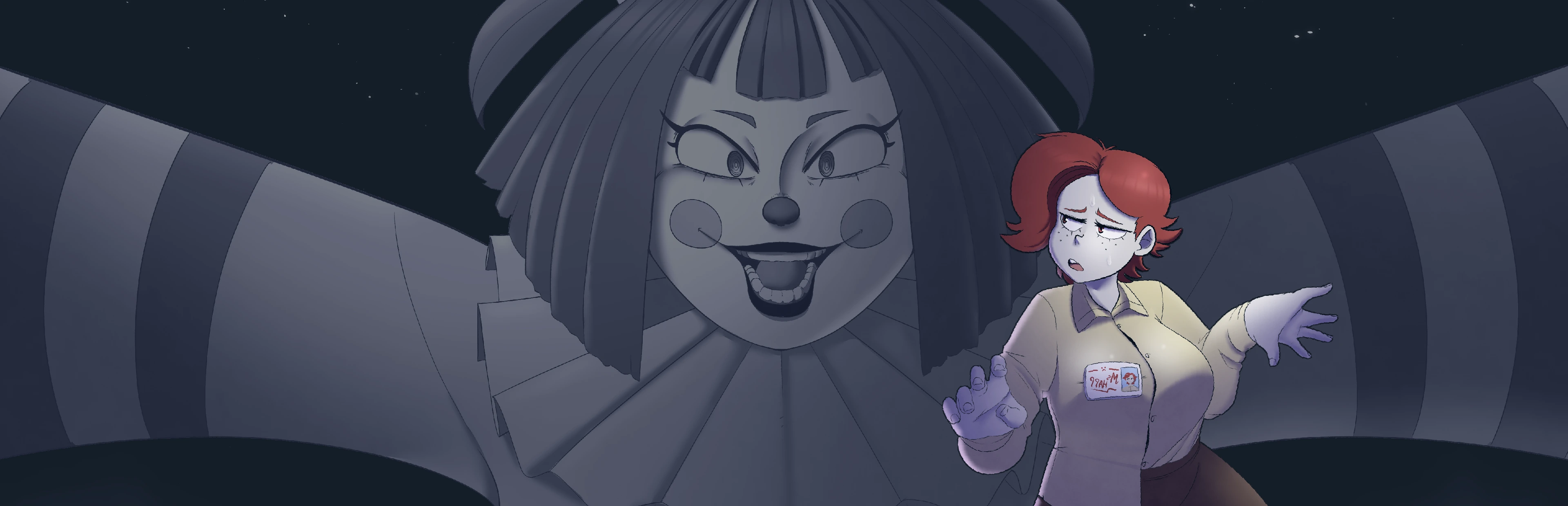
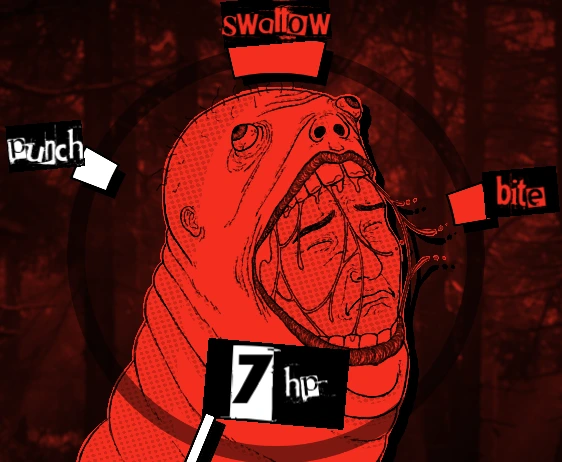
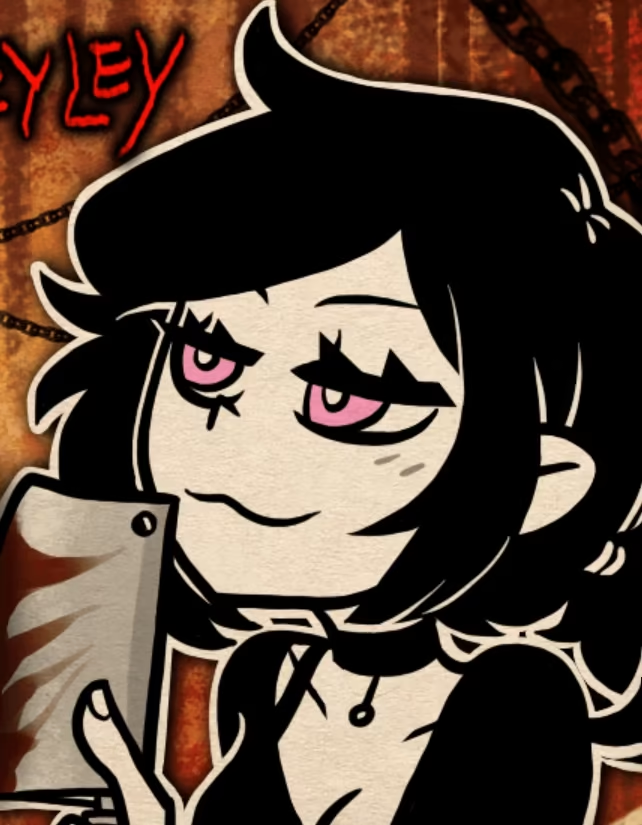

Jackpot Crash Course game cover

Casino Death Game

Jackpot Crash Course

Eddie enters a televised casino where freedom is the prize and every human reaction belongs to the show.

Home Is Where He Is game card

Browser Horror

Home Is Where He Is

Cobb Can Move game card

Survival Horror

Cobb Can Move

Kingdom of Marionettes game card

Puppet Theater

Kingdom of Marionettes

Jackpot Crash Course game card

Casino Death Game

Jackpot Crash Course

Original Guide

Jackpot Crash Course Behind the Broadcast

A House Always Wins, but a Show Needs a Story

Jackpot Crash Course introduces Eddie at the point where freedom has been transformed into programming. A casino game show offers criminal contestants the possibility of a pardon, placing legal hope behind rounds built for suspense. Eddie is asked to compete, but he is also asked to become watchable. The production does not merely need a winner. It needs recognizable personalities, rivalries, confessions, and failures that can be shaped into an episode.

You can play Jackpot Crash Course online in the frame above. The browser build begins only after you press Play, which keeps the page fast until you are ready. Give the visual novel time to load its artwork and audio, then move through the dialogue slowly. Character reactions and the order in which information is revealed matter more than fast clicking.

This version of the guide focuses on constructed identity. It asks how Eddie can remain himself when cameras reward simplified roles, how contestants decide what to reveal, and why the promise of redemption becomes dangerous when the institution offering it controls every test. The approach is intentionally different from the existing pages while preserving the same verified iframe, videos, images, and game facts.
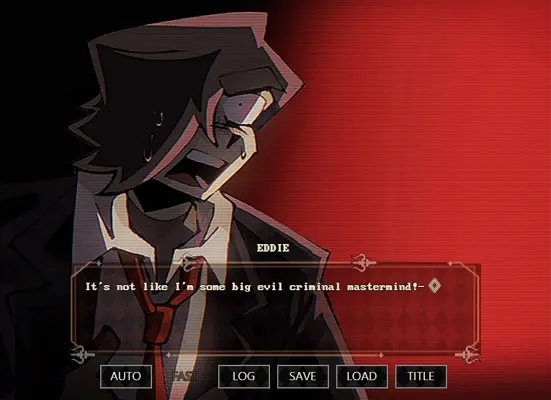
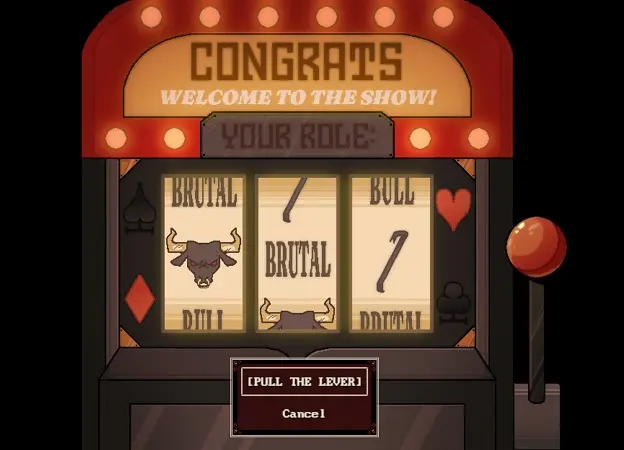
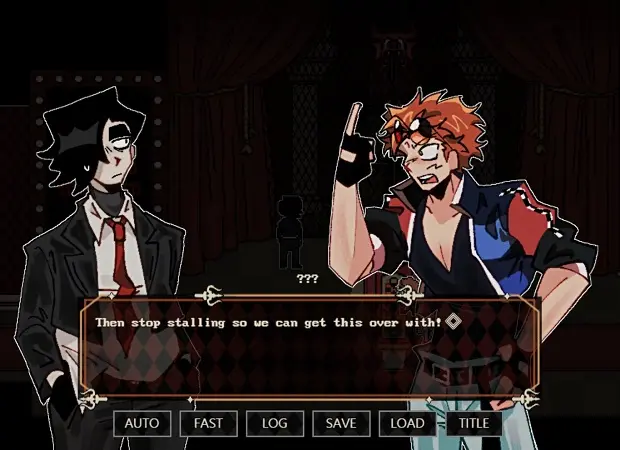
Jackpot Crash Course story scene 1

Eddie Must Survive His Edited Self

Inside the show, Eddie's behavior produces two consequences. The first affects the person standing in front of him. The second affects the public version of Eddie that the broadcast can construct. A compassionate answer may stabilize a rival while appearing weak to viewers. A forceful answer may protect his position but supply the production with a convincing villain moment.

That split makes sincerity risky. If Eddie says exactly what he feels, the show can isolate the most dramatic line from its context. If he performs a safer persona, other contestants may doubt whether any private conversation is real. Jackpot Crash Course creates pressure from this gap because Eddie needs human relationships while participating in a format that turns relationships into evidence.

Players should watch for moments when a character responds to the camera rather than the conversation. A pause, joke, or exaggerated confidence can be a defensive choice. The contestants understand that fear is useful footage. Their public behavior is therefore part personality, part survival strategy, and part attempt to control an edit they may never see.

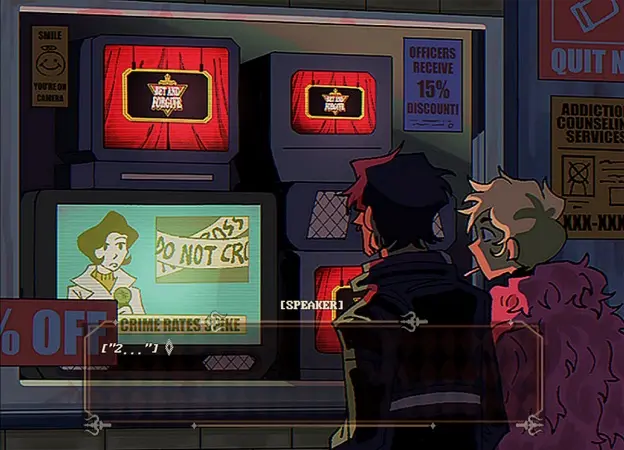
Jackpot Crash Course story scene 2

How to Play the Social Game

Jackpot Crash Course uses straightforward visual novel controls. Advance text, select answers, and use the available menu functions. Difficulty comes from interpreting motive. Before choosing a response, ask what Eddie is protecting: information, reputation, an alliance, emotional distance, or the possibility of a pardon. The answer that sounds nicest may not protect the thing he currently needs.

For a first run, choose a stable priority and accept imperfect consequences. A cautious Eddie reads differently from a defiant Eddie, and an Eddie who seeks connection creates different vulnerabilities from one who treats every contestant as competition. Consistency gives the eventual route an emotional argument rather than making it a collection of unrelated clicks.

During replay, change one repeated pattern. Keep Eddie's overall strategy but approach one rival differently, or preserve relationships while changing how he responds to authority. This makes route comparisons useful. If every answer changes, a new ending may appear, but the player will not know which decision actually redirected the story.

Jackpot Crash Course story scene 3

Rivals Decide What Kind of Person the Game Allows

Each contestant enters with a different method for remaining legible and safe. Humor can reduce tension while hiding fear. Apparent honesty can build trust while controlling which truth becomes public. Silence can refuse the show's framing but leave others free to invent a motive. These approaches make the cast more than a queue of possible victims.

Eddie's alliances are valuable because they create access to information, support, and coordinated action. They are dangerous because every bond reveals what can be threatened. A contestant who knows Eddie values loyalty can ask for a costly demonstration of it. Someone who understands his fear of public judgment can help him manage the audience or use that fear to direct him.

Replay reshapes this social map. A character who seemed selfish may reveal a hidden constraint, while a generous gesture can become suspicious once its timing is understood. The visual novel invites players to revise judgments rather than simply confirm them. One route supplies an impression; another supplies the context that impression lacked.

Jackpot Crash Course story scene 4

Why the Pardon Functions Like a Trap

A pardon is presented as the ultimate prize, but making mercy conditional changes its moral character. The show can appear generous because it offers a route toward freedom, while the danger of that route keeps contestants obedient. Refusing the game may mean abandoning the only opportunity they have been shown, so participation cannot be understood without the pressure surrounding it.

Casino language makes the arrangement seem natural. People are familiar with risk producing winners and losers. Jackpot Crash Course applies that logic to criminal judgment, inviting the audience to treat a person's future like a payout. The spectacle becomes easier to enjoy when consequence is translated into odds and the institution describes itself as a neutral dealer.

But the house chooses the deck. Producers decide which risks exist, when contestants must gamble, and how results are narrated. Chance may determine an immediate outcome without making the structure fair. Randomness becomes a shield that allows designers to deny responsibility for harm they deliberately made possible.

Visual Style: Neon Against Moral Gray

The bright casino art is not separate from the horror. It creates an instruction about how the audience should feel: excited, curious, and ready for the next surprise. That instruction remains in place even when a contestant needs grief, privacy, or silence. The emotional mismatch gives the game its broadcast-horror identity.

Portraits and group compositions let the player watch public masks change. A face can remain composed while the dialogue reveals panic. A crowded stage can show who has moved closer to Eddie and who is avoiding him. Small details carry route information because the visual novel keeps characters close enough for expression to compete with the louder set.

The screenshots on this page are distributed through the guide so each image supports a specific idea: stage pressure, dialogue strategy, route consequence, or character presentation. They are not a substitute for playing. Their purpose is to establish visual context and make the long-form discussion easier to follow.

A Practical Replay Notebook

After a route, record four short notes: Eddie's main priority, his closest alliance, the moment the production gained control, and the rule that felt least fair. This creates a route profile without copying every answer. A good replay changes one note and keeps the others stable long enough to reveal cause and effect.

Also track contradictions in official language. When the host calls a round fair, compare risk distribution. When contestants are asked to choose, ask whether the show engineered the conflict that made the choice necessary. These contradictions often matter more than a single dramatic line because they explain the institution's method.

Endings can then be compared by cost rather than a simple good-or-bad label. Did Eddie preserve trust? Did he gain freedom while accepting the show's version of him? Did a rival survive at the expense of another bond? Jackpot Crash Course becomes richer when an ending is treated as a statement about strategy and identity.

Browser Help and Content Notes

Desktop or laptop fullscreen is recommended for the clearest dialogue and character art. Mobile players can use landscape orientation and tap the frame once if controls appear inactive. Browser autoplay rules may keep sound muted until the first interaction, so check tab and device volume before assuming the build has no audio.

If the player stays black, wait for the external assets, refresh once, and inspect privacy extensions or network filters that block third-party frames. Saves may rely on local browser storage. Clearing site data, using private mode, or moving to another device can remove progress, so keep route notes separately when planning multiple runs.

Jackpot Crash Course is intended for mature audiences. It includes criminal histories, coercion, public humiliation, blood, violence, gore, disturbing imagery, unsettling audio, and death-game pressure. The colorful presentation is deliberately deceptive and should not be interpreted as an all-ages tone.

The Viewer Is Part of the Machine

Jackpot Crash Course also leaves an uncomfortable role for the person watching. The fictional audience keeps the production valuable, but the player is watching too. We want to know which contestant breaks, which alliance fails, and what the next round will demand. The game can use that curiosity without claiming that every viewer approves of the system. Interest and approval are different, yet the show benefits from both because attention is the resource it understands best.

This creates a useful tension during difficult scenes. A player may oppose the producers while still enjoying the suspense they designed. Jackpot Crash Course does not solve that contradiction with a simple moral lecture. Instead, it encourages awareness. Notice when editing, music, or framing makes a harmful choice feel exciting. Notice when a contestant becomes easier to judge after the show reduces a complicated history to one dramatic detail.

Reading the game this way changes route analysis. The question is no longer only whether Eddie made the safest choice. It is also whether his choice resisted the story the production wanted to tell about him. A route can become meaningful when Eddie protects another person's complexity, refuses an easy public role, or recognizes that winning attention is not the same thing as recovering control.

Jackpot Crash Course Videos

Jackpot Crash Course FAQ

What is Jackpot Crash Course?

It is a casino death-game visual novel about Eddie, a criminal contestant offered a possible pardon through a dangerous televised competition.

Can I play Jackpot Crash Course online here?

Yes. Press Play in the browser frame to launch the supplied online build without installing a separate file.

What do you do in the game?

You read scenes, choose responses, study rival contestants, and follow route consequences shaped by trust, reputation, and strategy.

Is the game mainly about casino gambling?

No. Casino imagery supports a character-driven story about judgment, performance, coercion, and survival.

How should I approach a first route?

Give Eddie one consistent priority and let the first ending teach you which relationship or rule deserves closer investigation.

Does Jackpot Crash Course have replay value?

Yes. New approaches can change social context and reveal motives, foreshadowing, or route consequences that were unclear during the first run.

Can I play on mobile?

The game may run in a mobile browser, but landscape orientation is recommended. Desktop fullscreen is generally easier to read.

What if the iframe stays black?

Wait briefly, refresh once, and check whether privacy extensions, iframe blockers, or managed-network filters are blocking the game host.

Is Jackpot Crash Course suitable for children?

No. It includes mature criminal themes, violence, blood, gore, disturbing imagery, coercion, and death-game tension.