













The Choicer Voicer game cover

Browser Game

The Choicer Voicer

a customizable microphone party game where vocal impressions, voice packs, computer judges, local multiplayer, streamer modes, and Dub Mode turn a room into a game-show studio

Home Is Where He Is game card

Browser Horror

Home Is Where He Is

Cobb Can Move game card

Survival Horror

Cobb Can Move

Kingdom of Marionettes game card

Puppet Theater

Kingdom of Marionettes

Jackpot Crash Course game card

Casino Death Game

Jackpot Crash Course

Blood Money 2 game card

Dark Simulation

Blood Money 2

TADC Dating Sim game card

Romance Visual Novel

TADC Dating Sim

Survive Min game card

Psychological Horror

Survive Min

The False Sun game card

Farm Horror

The False Sun

Temple of the Jackal game card

Adult Pixel Puzzle

Temple of the Jackal

Uncanny Cat Golf game card

Surreal Mini Golf

Uncanny Cat Golf

Frankie's Fun House game card

Point-and-Click Mystery

Frankie's Fun House

Death Spiral game card

One-Button Horror

Death Spiral

The Coffin of Andy and Leyley game card

Sibling Horror

The Coffin of Andy and Leyley

Dracula Drop game card

Vampire Action

Dracula Drop

The Choicer Voicer game card

Microphone Party

The Choicer Voicer

Over Dose game card

Psychological Visual Novel

Over Dose

Original Guide

About The Choicer Voicer

Make the Room Quiet Enough to Hear

The Choicer Voicer makes a microphone session beginning with physical space rather than the bright studio interface part of play. A home session feels informal, yet recorded sound changes the social space. Somebody chooses the material, somebody controls the device, and somebody places a voice into a system that can replay or judge it. Clear setup keeps that vulnerability playful. The game-show graphics can provide a host and a panel, but the group must still decide how loud is comfortable, which impressions are welcome, and whether every participant agrees to be recorded.

A grounded method is to remove background audio and test ordinary speech. Use the mouse to select a mode and pack, then stop for a microphone check. Approve browser access, confirm the intended system input, click inside the player, and speak normally. Listen to the prompt once without talking. Break it into words, pace, pauses, pitch movement, emphasis, and emotional intention. Pick two features, perform from a consistent distance, and change one feature on the next take. Conversational volume usually preserves more detail than shouting and makes a shared room easier to manage.

When the group laughs, make sure the performer is laughing too; consent matters more than keeping the show moving. The developer describes the project as early access with limited built-in content and known microphone compatibility reports. Prepare a short pack from audio you have rights to use, test before guests arrive, and remember that local or streamer modes do not create online multiplayer. This Home Is Where He Is edition treats a good session as one where people remain comfortable enough to try another voice.
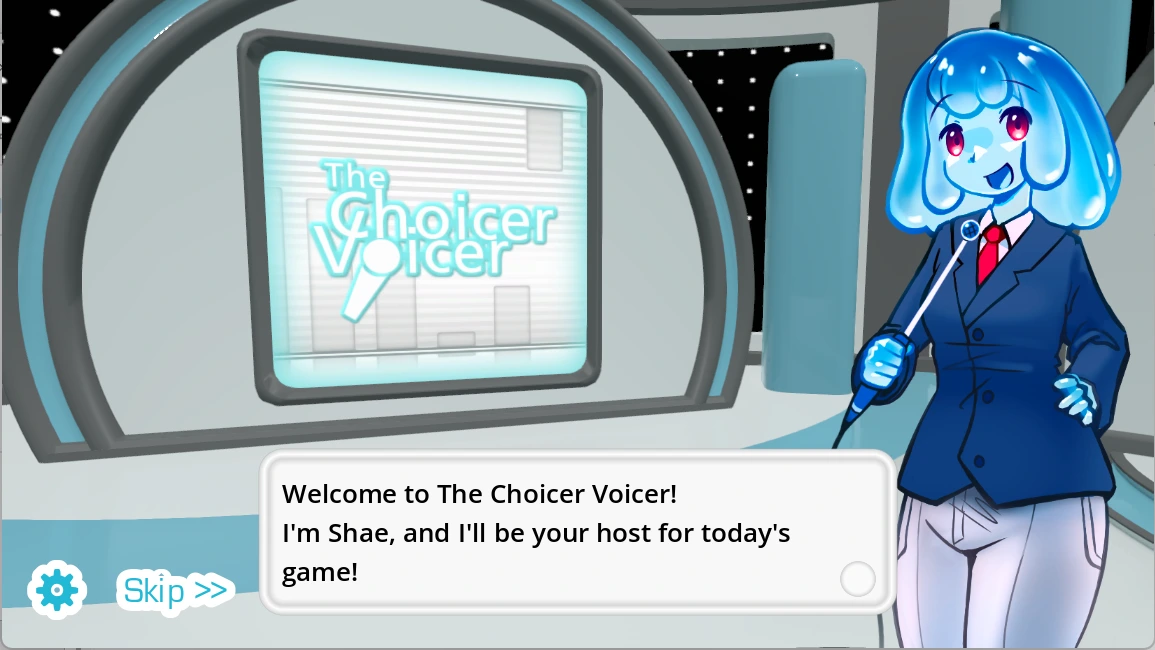
The Choicer Voicer make the room quiet enough to hear screenshot

Open the Digital Door Carefully

The microphone party game makes browser permission and operating-system privacy deciding whether the embedded show can hear anything part of play. A home session feels informal, yet recorded sound changes the social space. Somebody chooses the material, somebody controls the device, and somebody places a voice into a system that can replay or judge it. Clear setup keeps that vulnerability playful. The game-show graphics can provide a host and a panel, but the group must still decide how loud is comfortable, which impressions are welcome, and whether every participant agrees to be recorded.

A grounded method is to approve access only for the intended page and input. Use the mouse to select a mode and pack, then stop for a microphone check. Approve browser access, confirm the intended system input, click inside the player, and speak normally. Listen to the prompt once without talking. Break it into words, pace, pauses, pitch movement, emphasis, and emotional intention. Pick two features, perform from a consistent distance, and change one feature on the next take. Conversational volume usually preserves more detail than shouting and makes a shared room easier to manage.

When the game records silence, pause the show and inspect the technical chain instead of asking the performer to push harder. The developer describes the project as early access with limited built-in content and known microphone compatibility reports. Prepare a short pack from audio you have rights to use, test before guests arrive, and remember that local or streamer modes do not create online multiplayer. This Home Is Where He Is edition treats a good session as one where people remain comfortable enough to try another voice.
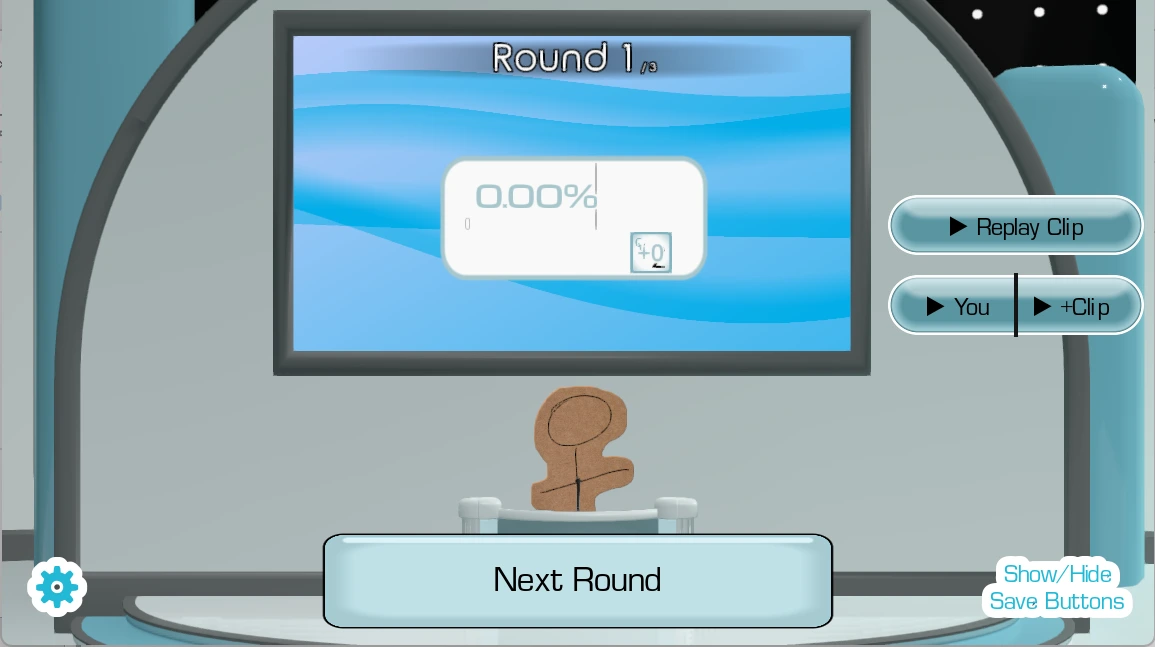
The Choicer Voicer open the digital door carefully screenshot

Bring Familiar Voices Home

The microphone party game makes a short voice pack creating recognizable material that friends can perform without reading a manual part of play. A home session feels informal, yet recorded sound changes the social space. Somebody chooses the material, somebody controls the device, and somebody places a voice into a system that can replay or judge it. Clear setup keeps that vulnerability playful. The game-show graphics can provide a host and a panel, but the group must still decide how loud is comfortable, which impressions are welcome, and whether every participant agrees to be recorded.

A grounded method is to start with licensed clips the group already understands. Use the mouse to select a mode and pack, then stop for a microphone check. Approve browser access, confirm the intended system input, click inside the player, and speak normally. Listen to the prompt once without talking. Break it into words, pace, pauses, pitch movement, emphasis, and emotional intention. Pick two features, perform from a consistent distance, and change one feature on the next take. Conversational volume usually preserves more detail than shouting and makes a shared room easier to manage.

When the group laughs, make sure the performer is laughing too; consent matters more than keeping the show moving. The developer describes the project as early access with limited built-in content and known microphone compatibility reports. Prepare a short pack from audio you have rights to use, test before guests arrive, and remember that local or streamer modes do not create online multiplayer. This Home Is Where He Is edition treats a good session as one where people remain comfortable enough to try another voice.
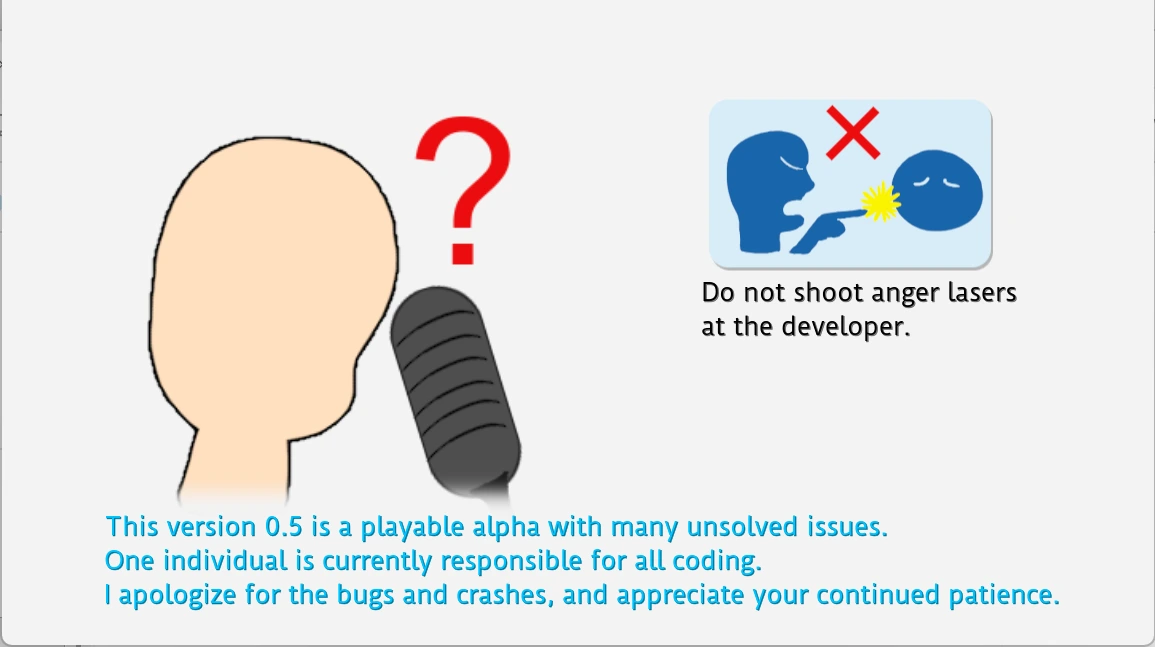
The Choicer Voicer bring familiar voices home screenshot

Listen Before Filling the Silence

The microphone party game makes cadence, pauses, pitch direction, emphasis, texture, and intent giving a prompt its identity part of play. A home session feels informal, yet recorded sound changes the social space. Somebody chooses the material, somebody controls the device, and somebody places a voice into a system that can replay or judge it. Clear setup keeps that vulnerability playful. The game-show graphics can provide a host and a panel, but the group must still decide how loud is comfortable, which impressions are welcome, and whether every participant agrees to be recorded.

A grounded method is to name two vocal qualities before beginning a take. Use the mouse to select a mode and pack, then stop for a microphone check. Approve browser access, confirm the intended system input, click inside the player, and speak normally. Listen to the prompt once without talking. Break it into words, pace, pauses, pitch movement, emphasis, and emotional intention. Pick two features, perform from a consistent distance, and change one feature on the next take. Conversational volume usually preserves more detail than shouting and makes a shared room easier to manage.

When the game records silence, pause the show and inspect the technical chain instead of asking the performer to push harder. The developer describes the project as early access with limited built-in content and known microphone compatibility reports. Prepare a short pack from audio you have rights to use, test before guests arrive, and remember that local or streamer modes do not create online multiplayer. This Home Is Where He Is edition treats a good session as one where people remain comfortable enough to try another voice.
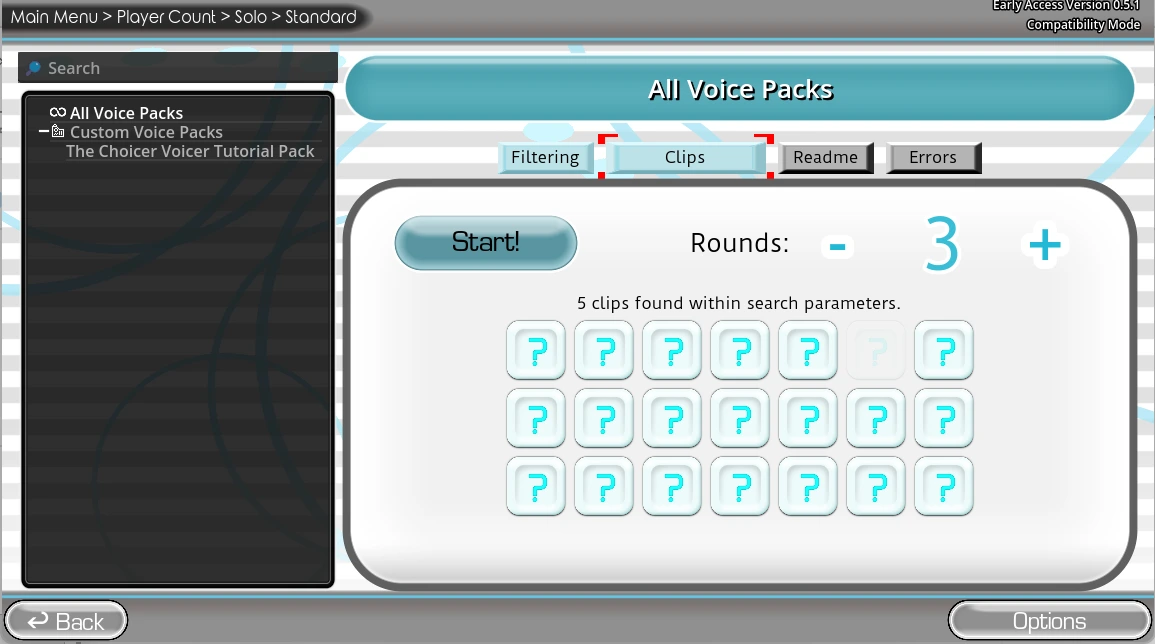
The Choicer Voicer listen before filling the silence screenshot

Keep Judging in Perspective

The microphone party game makes computer reactions entertaining the room without defining anybody as a good or bad performer part of play. A home session feels informal, yet recorded sound changes the social space. Somebody chooses the material, somebody controls the device, and somebody places a voice into a system that can replay or judge it. Clear setup keeps that vulnerability playful. The game-show graphics can provide a host and a panel, but the group must still decide how loud is comfortable, which impressions are welcome, and whether every participant agrees to be recorded.

A grounded method is to compare attempts rather than people. Use the mouse to select a mode and pack, then stop for a microphone check. Approve browser access, confirm the intended system input, click inside the player, and speak normally. Listen to the prompt once without talking. Break it into words, pace, pauses, pitch movement, emphasis, and emotional intention. Pick two features, perform from a consistent distance, and change one feature on the next take. Conversational volume usually preserves more detail than shouting and makes a shared room easier to manage.

When the group laughs, make sure the performer is laughing too; consent matters more than keeping the show moving. The developer describes the project as early access with limited built-in content and known microphone compatibility reports. Prepare a short pack from audio you have rights to use, test before guests arrive, and remember that local or streamer modes do not create online multiplayer. This Home Is Where He Is edition treats a good session as one where people remain comfortable enough to try another voice.

The Choicer Voicer keep judging in perspective screenshot

Share the Local Stage

The microphone party game makes up to four nearby players negotiating turns, microphones, laughter, embarrassment, and recording consent part of play. A home session feels informal, yet recorded sound changes the social space. Somebody chooses the material, somebody controls the device, and somebody places a voice into a system that can replay or judge it. Clear setup keeps that vulnerability playful. The game-show graphics can provide a host and a panel, but the group must still decide how loud is comfortable, which impressions are welcome, and whether every participant agrees to be recorded.

A grounded method is to assign inputs and let each person opt out. Use the mouse to select a mode and pack, then stop for a microphone check. Approve browser access, confirm the intended system input, click inside the player, and speak normally. Listen to the prompt once without talking. Break it into words, pace, pauses, pitch movement, emphasis, and emotional intention. Pick two features, perform from a consistent distance, and change one feature on the next take. Conversational volume usually preserves more detail than shouting and makes a shared room easier to manage.

When the game records silence, pause the show and inspect the technical chain instead of asking the performer to push harder. The developer describes the project as early access with limited built-in content and known microphone compatibility reports. Prepare a short pack from audio you have rights to use, test before guests arrive, and remember that local or streamer modes do not create online multiplayer. This Home Is Where He Is edition treats a good session as one where people remain comfortable enough to try another voice.

The Choicer Voicer share the local stage screenshot

Use Dub Mode for Longer Character Work

The microphone party game makes a scene requiring sustained timing and delivery instead of a brief impression part of play. A home session feels informal, yet recorded sound changes the social space. Somebody chooses the material, somebody controls the device, and somebody places a voice into a system that can replay or judge it. Clear setup keeps that vulnerability playful. The game-show graphics can provide a host and a panel, but the group must still decide how loud is comfortable, which impressions are welcome, and whether every participant agrees to be recorded.

A grounded method is to test a short segment before recording a longer passage. Use the mouse to select a mode and pack, then stop for a microphone check. Approve browser access, confirm the intended system input, click inside the player, and speak normally. Listen to the prompt once without talking. Break it into words, pace, pauses, pitch movement, emphasis, and emotional intention. Pick two features, perform from a consistent distance, and change one feature on the next take. Conversational volume usually preserves more detail than shouting and makes a shared room easier to manage.

When the group laughs, make sure the performer is laughing too; consent matters more than keeping the show moving. The developer describes the project as early access with limited built-in content and known microphone compatibility reports. Prepare a short pack from audio you have rights to use, test before guests arrive, and remember that local or streamer modes do not create online multiplayer. This Home Is Where He Is edition treats a good session as one where people remain comfortable enough to try another voice.

The Choicer Voicer use dub mode for longer character work screenshot

Return Safely from a Recording Failure

The microphone party game makes known compatibility reports making troubleshooting kinder than shouting into an unresponsive device part of play. A home session feels informal, yet recorded sound changes the social space. Somebody chooses the material, somebody controls the device, and somebody places a voice into a system that can replay or judge it. Clear setup keeps that vulnerability playful. The game-show graphics can provide a host and a panel, but the group must still decide how loud is comfortable, which impressions are welcome, and whether every participant agrees to be recorded.

A grounded method is to check permission, input, focus, stereo output, and competing apps. Use the mouse to select a mode and pack, then stop for a microphone check. Approve browser access, confirm the intended system input, click inside the player, and speak normally. Listen to the prompt once without talking. Break it into words, pace, pauses, pitch movement, emphasis, and emotional intention. Pick two features, perform from a consistent distance, and change one feature on the next take. Conversational volume usually preserves more detail than shouting and makes a shared room easier to manage.

When the game records silence, pause the show and inspect the technical chain instead of asking the performer to push harder. The developer describes the project as early access with limited built-in content and known microphone compatibility reports. Prepare a short pack from audio you have rights to use, test before guests arrive, and remember that local or streamer modes do not create online multiplayer. This Home Is Where He Is edition treats a good session as one where people remain comfortable enough to try another voice.

The Choicer Voicer return safely from a recording failure screenshot

The Choicer Voicer Videos

The Choicer Voicer FAQ

What is The Choicer Voicer?

The Choicer Voicer is a customizable microphone party game where vocal impressions, voice packs, computer judges, local multiplayer, streamer modes, and Dub Mode turn a room into a game-show studio.

How do I play?

Use the mouse for setup, approve microphone access, listen to a prompt, perform an impression, and compare the response.

Why is microphone permission needed?

Voice is the central input, so the browser and operating system must explicitly allow recording.

Why is the microphone silent?

Check browser permission, system privacy, selected input, other recording apps, iframe focus, and a basic stereo setup.

What is a voice pack?

It is a set of audio prompts. Use a small familiar pack containing only audio you created, licensed, or have permission to use.

How many people can play locally?

The published project page describes simple local multiplayer for up to four players.

What is Dub Mode?

Dub Mode lets players record voiceover performances over scenes, emphasizing timing and sustained character delivery.

Is online multiplayer included?

No. The developer states that online multiplayer is not currently available.

How should a group handle recording consent?

Explain what will be recorded, let anyone decline, avoid sharing files without permission, and delete unwanted takes.

How do I avoid voice strain?

Use conversational volume, keep sessions short, drink water, and stop when speaking becomes uncomfortable.