



Playing Dracula Drop from the First Decision
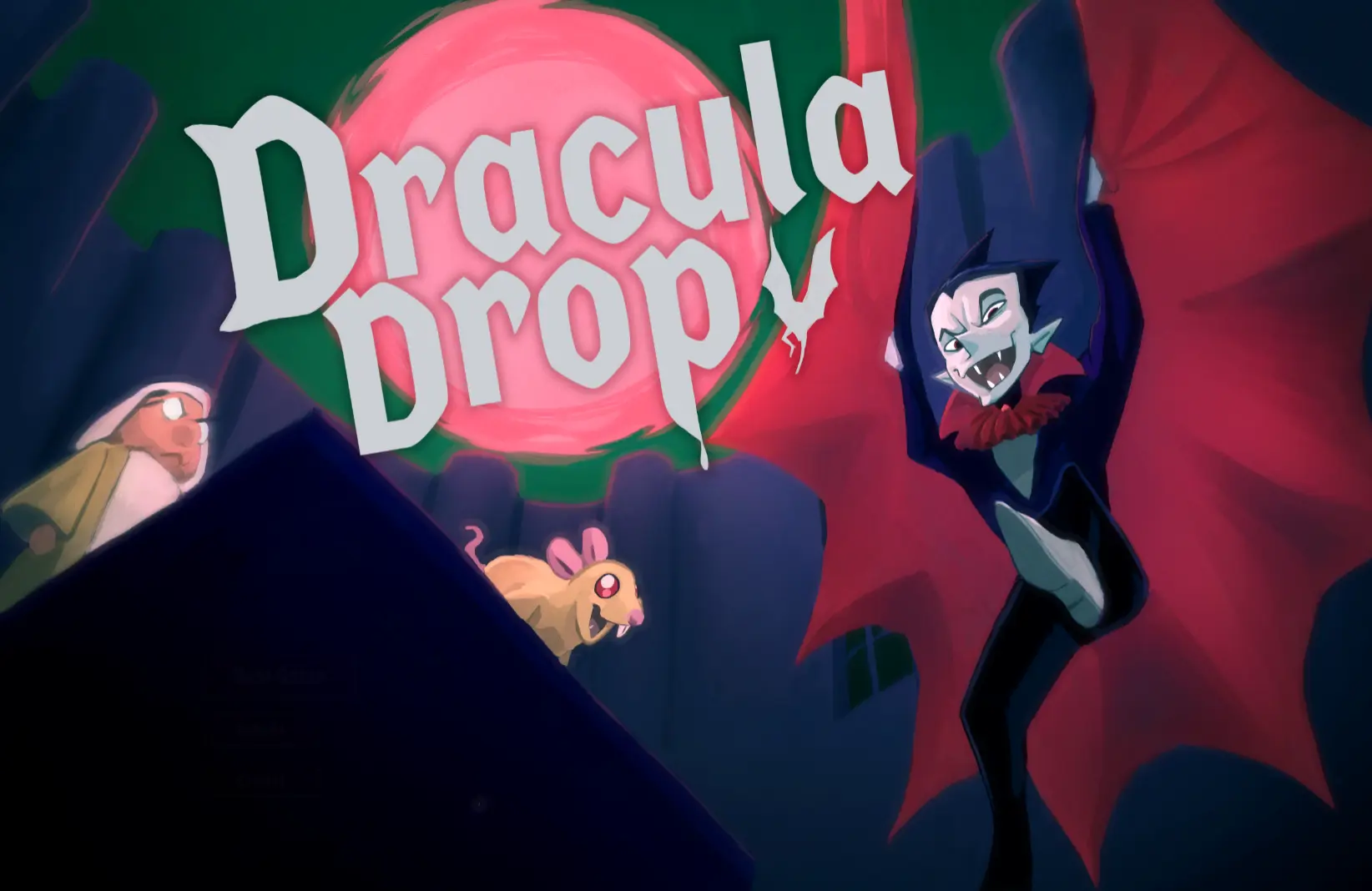
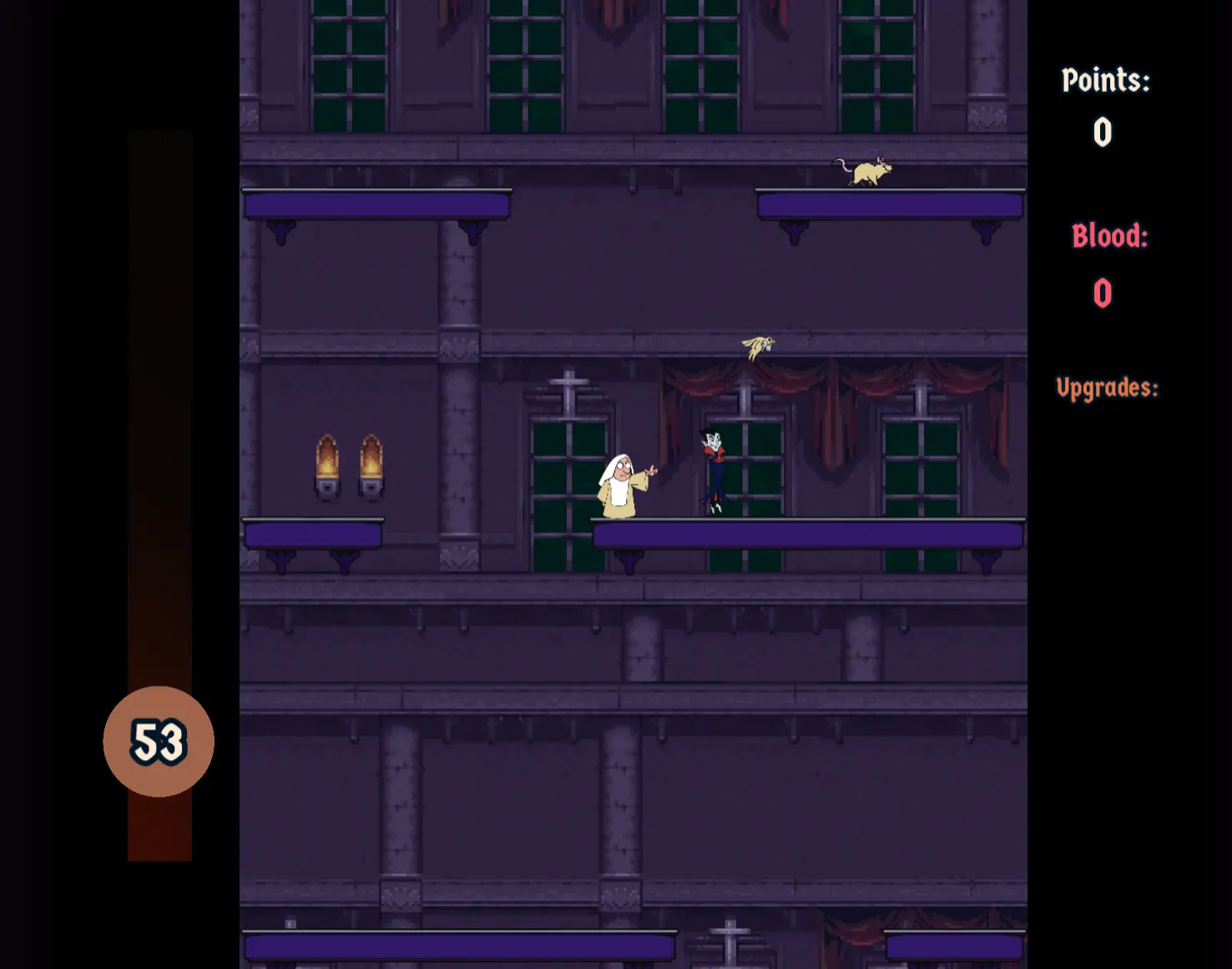
Dracula Drop begins as a vertical action game about Count Dracula racing down his tower before sunrise while collecting enemy blood and using coffins to extend the night. Its opening is effective because it does not separate story from interaction: the first routine, answer, or observation already teaches the player what this world values. A hand-drawn tower makes every lower room feel temporarily safer while the dawn follows from above and invaders occupy the route gives the experience a clear visual identity while leaving enough uncertainty for familiar details to become suspicious. The result is a browser game that rewards deliberate attention before it rewards confident action.
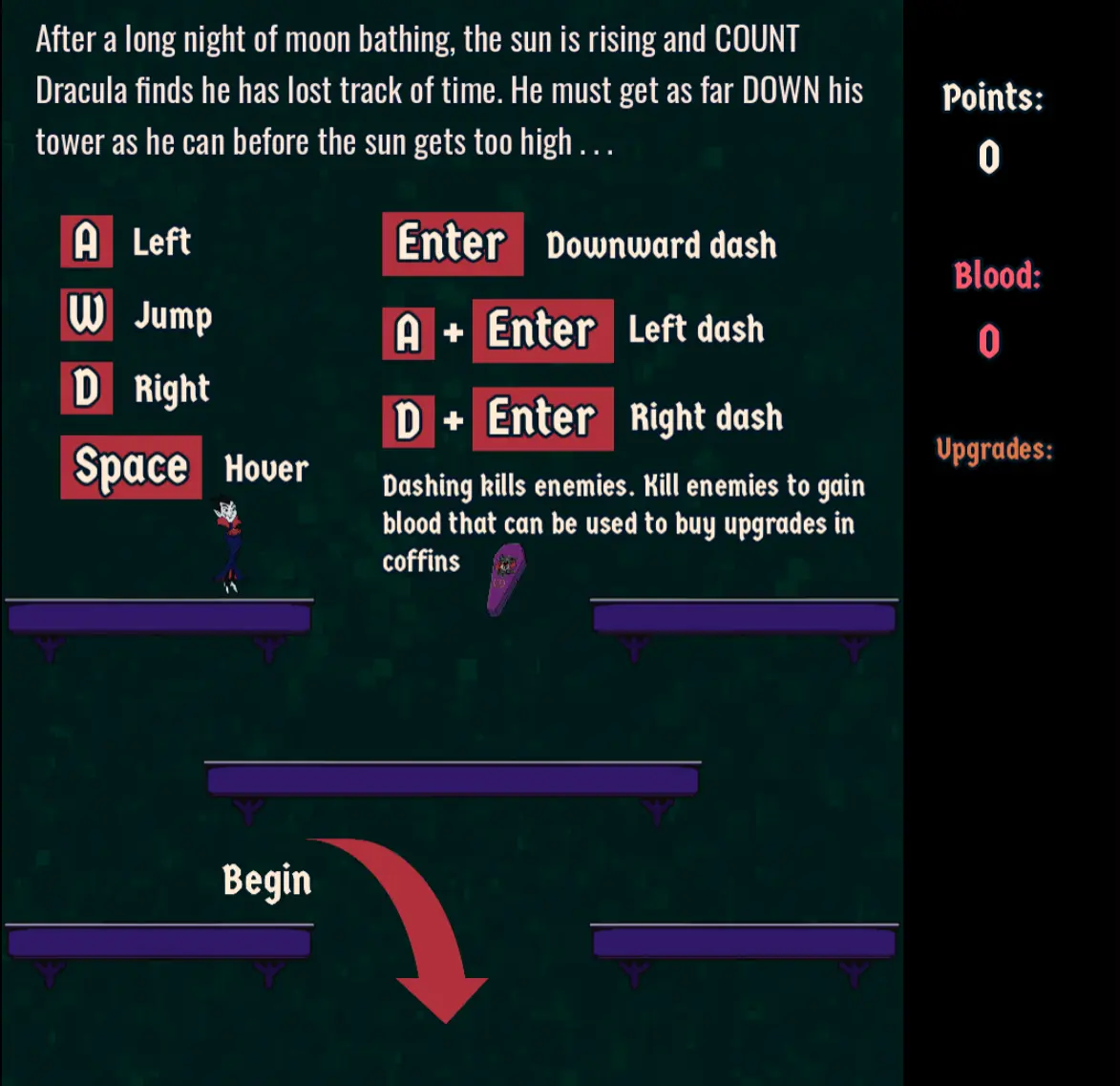
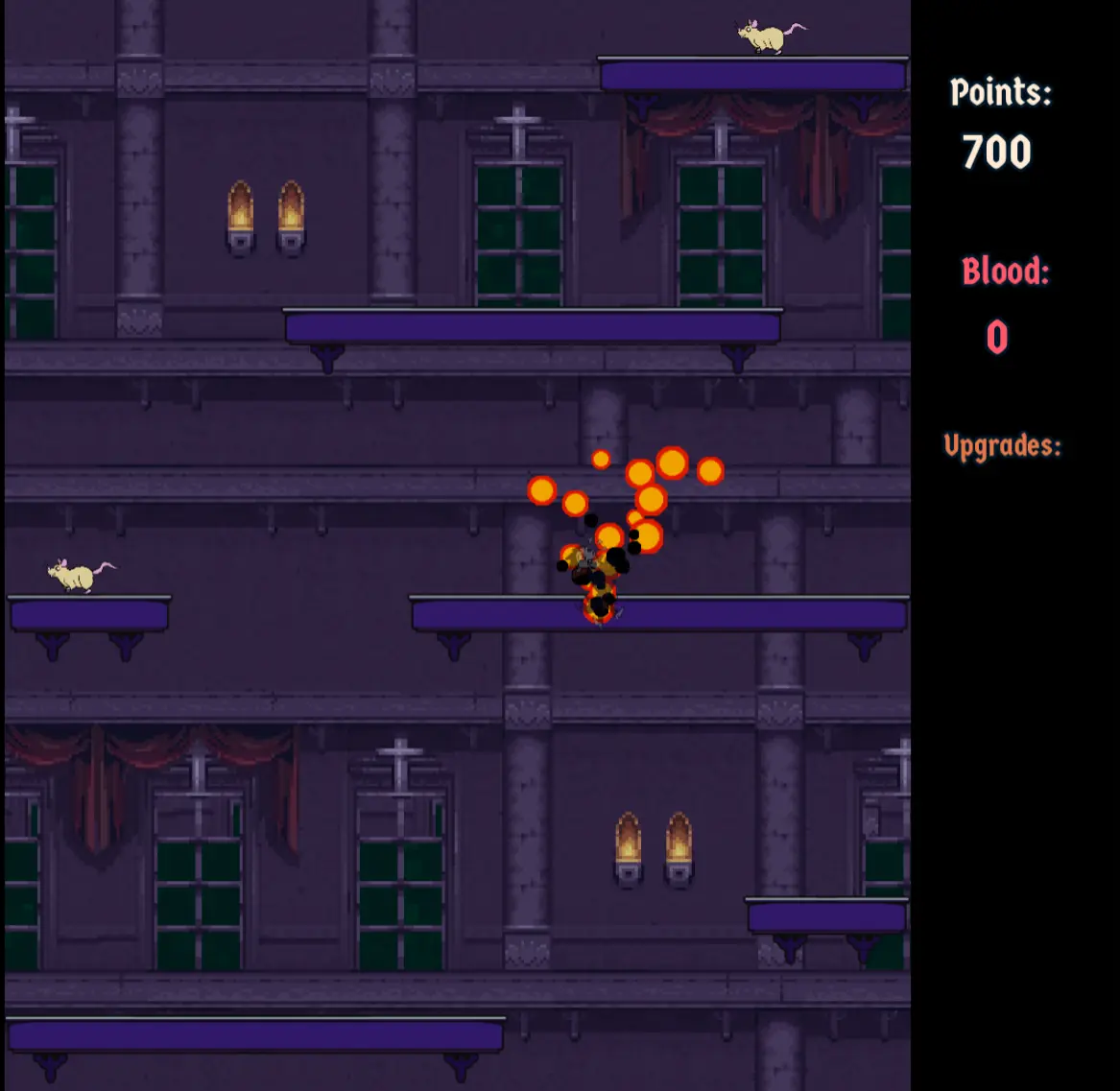
Launch the embedded build above and allow its remote assets to finish loading before refreshing. The central activity is running, jumping, hovering, dashing sideways or downward, fighting enemies, collecting blood, and choosing when coffin upgrades justify a pause. Controls are easy to learn, but understanding consequence takes longer because the interface can describe an action more simply than the story ultimately judges it. Read labels, reactions, and changes in atmosphere together rather than assuming one visible number or expression contains the complete result.
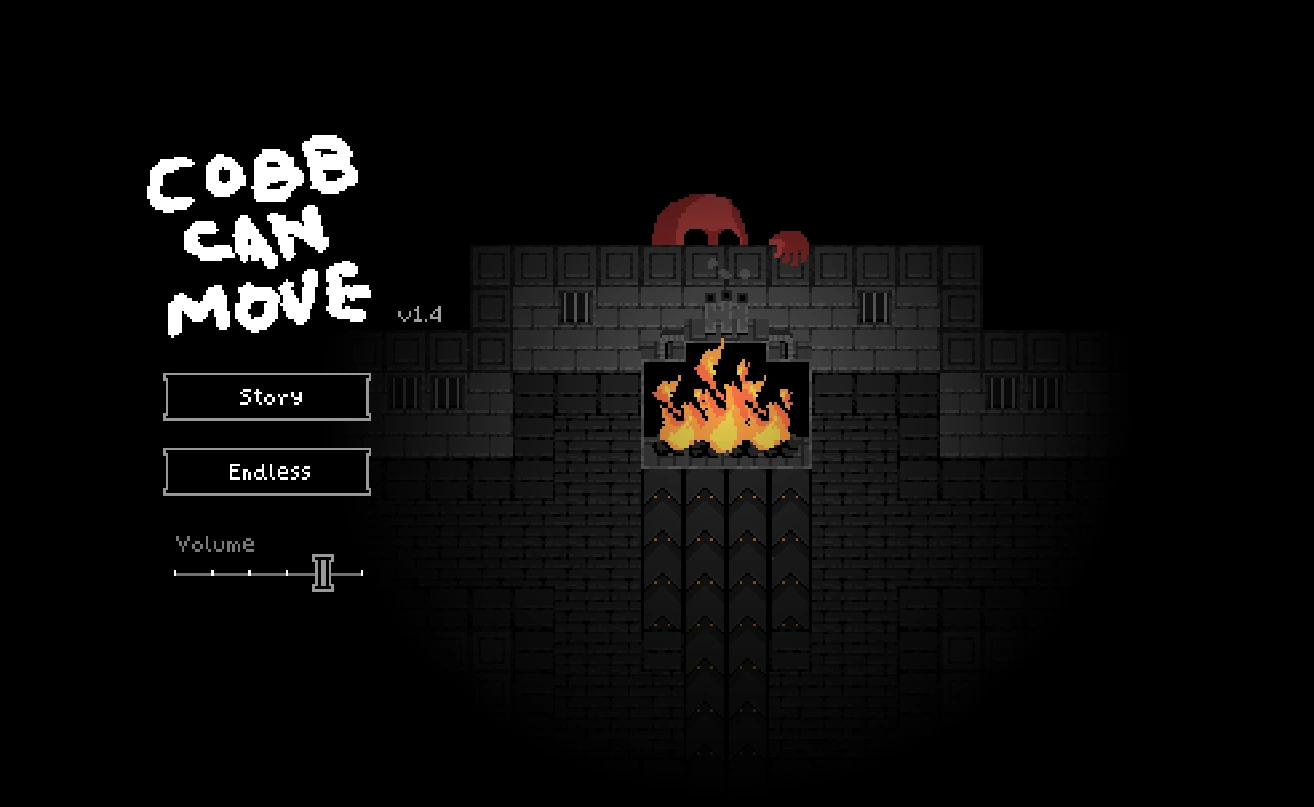
This Cobb Can Move guide uses a systems-focused angle. Count Dracula, whose home becomes a timed escape path after a night of moon-bathing lasts too long is not only a plot figure; that character reveals what the game's rules consider normal. The tower is Dracula's home, yet sunrise turns staying still into danger and makes every familiar floor part of an urgent departure. Following that tension makes the route easier to interpret and gives the first ending value even when it is not the outcome the player expected.