





Playing Frankie's Fun House from the First Decision
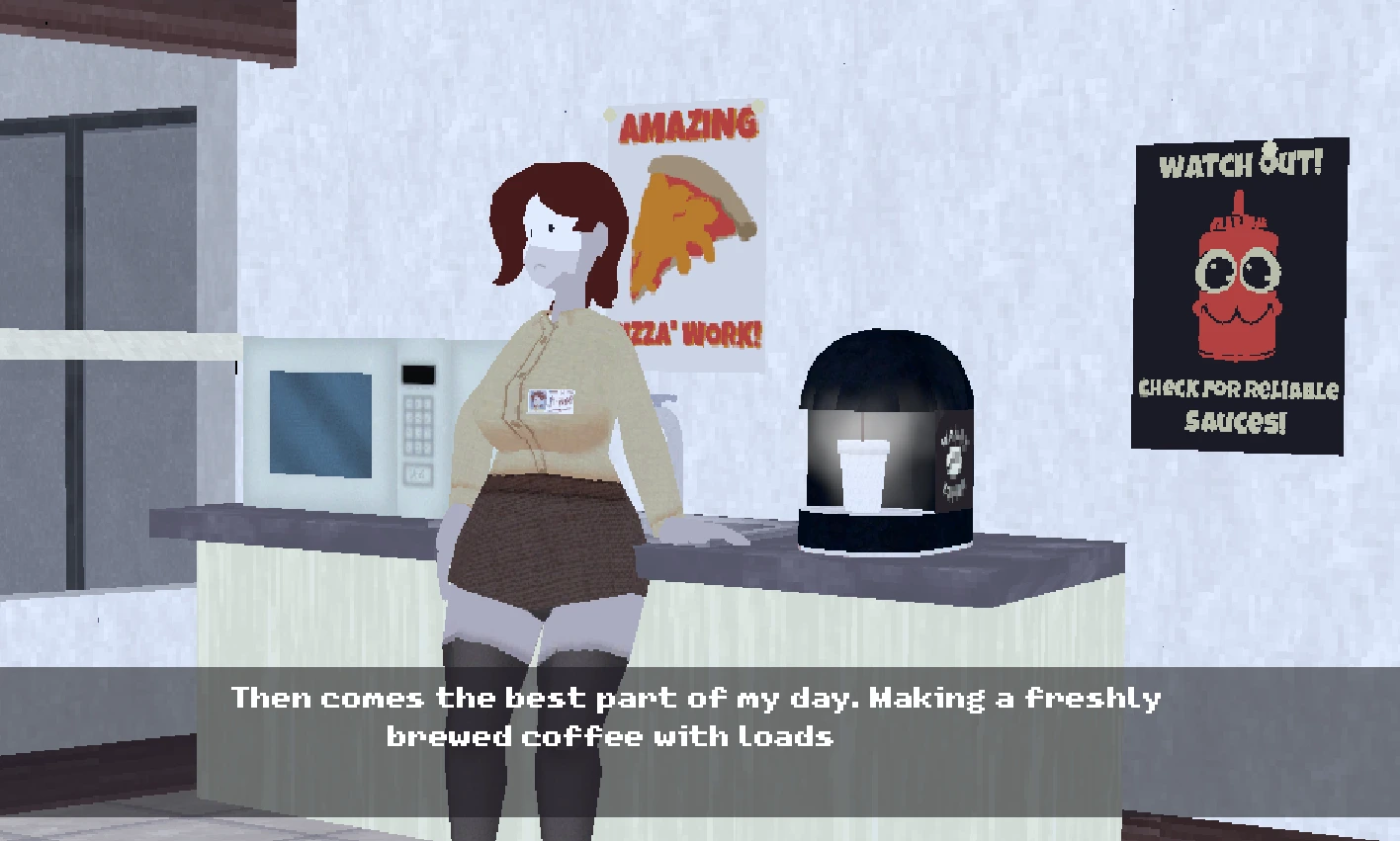
Frankie's Fun House begins as a point-and-click puzzle adventure that moves Ms. Happ from familiar office routines into a bright attraction where cheerful displays hide a connected trail of mechanical clues. Its opening is effective because it does not separate story from interaction: the first routine, answer, or observation already teaches the player what this world values. Ordinary work spaces gradually open into colorful fun-house rooms crowded with cabinets, props, signs, machines, and objects that can be inspected from more than one angle gives the experience a clear visual identity while leaving enough uncertainty for familiar details to become suspicious. The result is a browser game that rewards deliberate attention before it rewards confident action.
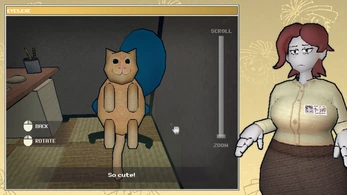
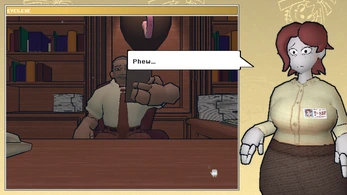
Launch the embedded build above and allow its remote assets to finish loading before refreshing. The central activity is scanning rooms, rotating objects, collecting inventory pieces, matching symbols, and testing one evidence-based interaction at a time. Controls are easy to learn, but understanding consequence takes longer because the interface can describe an action more simply than the story ultimately judges it. Read labels, reactions, and changes in atmosphere together rather than assuming one visible number or expression contains the complete result.
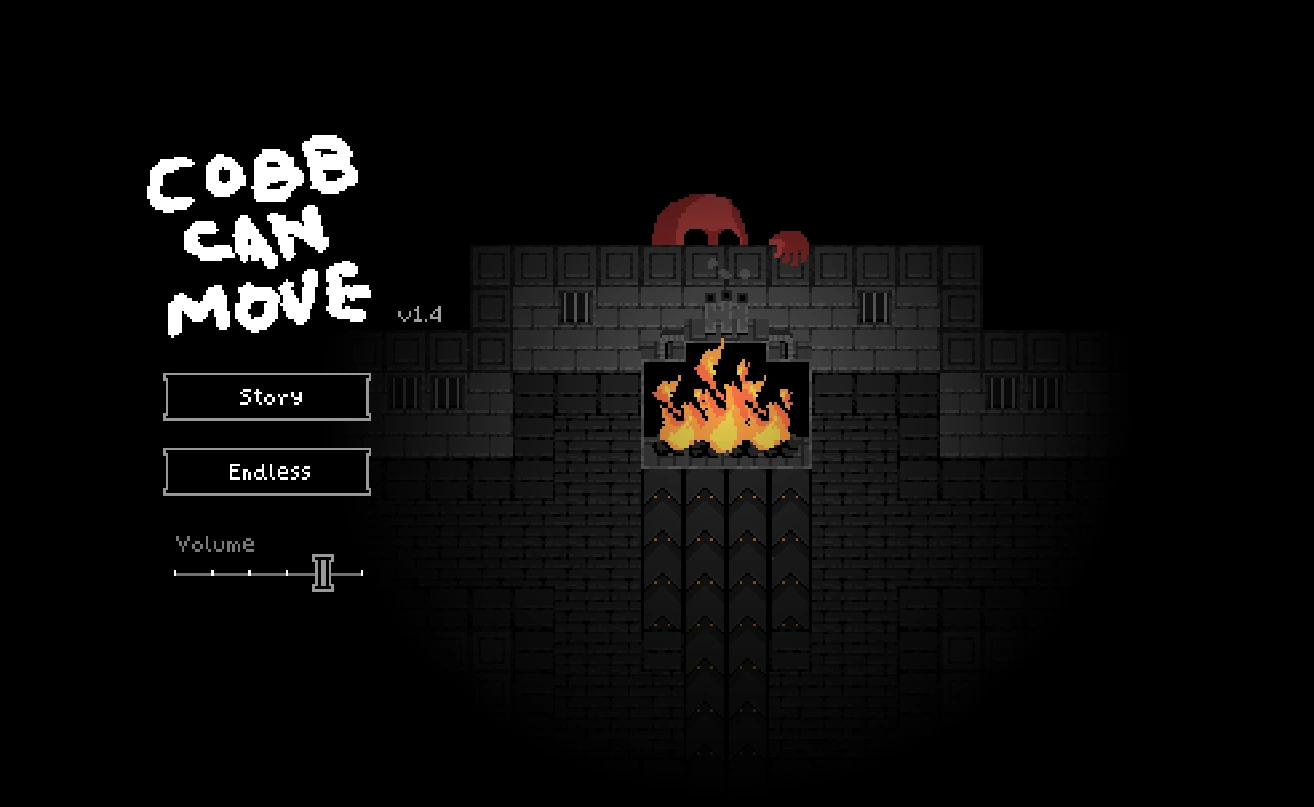
This Cobb Can Move guide uses a systems-focused angle. Ms. Happ, whose grounded curiosity gives the strange attraction an observant human center is not only a plot figure; that character reveals what the game's rules consider normal. the attraction rewards impulsive curiosity on the surface while its strongest solutions depend on patient memory and careful separation of decoration from evidence. Following that tension makes the route easier to interpret and gives the first ending value even when it is not the outcome the player expected.